
Whoa, this is real. I walked into a cafe and paid with a chip-sized crypto card. My instinct said: this was going to be clunky and nerdy. But the card slid across the counter like any contactless tap, and honestly — something felt off about how simple it was. Initially I thought hardware wallets needed a dongle or a cable, but then I realized that a thin NFC card can be the same vault without the fuss.
Short and simple. Seriously, that was my first reaction. Medium-term, I started testing the card on multiple phones and terminals. On one hand the convenience wins; though actually the trust model shifts, which is the hard part to accept. I had to re-evaluate what “cold” really means when your private key lives in a tamper-resistant chip that’s tapped rather than plugged.
Whoa, this surprised me. NFC makes everyday use painless and a lot more human. My gut told me security would feel compromised, but rigorous design prevents key extraction in a way that feels like a safe deposit box you carry in your wallet. I’m biased, but the balance between UX and cryptographic safety here is impressive, and somethin’ about that frictionless feel grew on me fast.
Okay, so check this out — the Tangem card is basically a standalone secure element on a credit-card footprint. I tried one for a month, and it handled multiple chains without a software seed export option, which is comforting. The card signs transactions internally; your phone only asks for the signature, not the secret. On one evening I almost lost the card (oh, and by the way…) and that tiny panic showed me how much you rely on a physical object for custody.
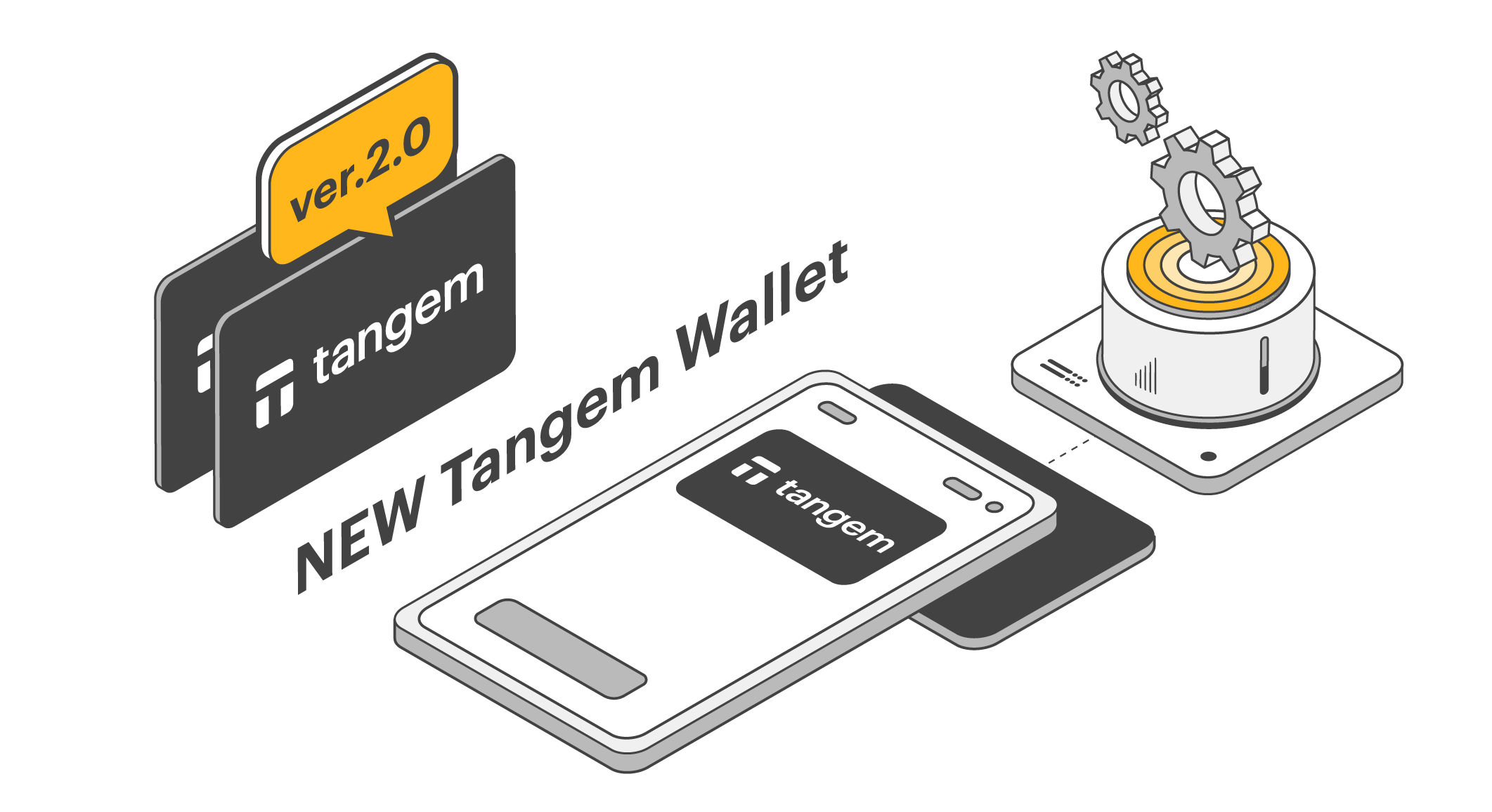
How the tangem wallet approach feels in daily life
I set up the tangem wallet app and paired a card in under five minutes. That pairing step felt like adding a new contactless credit card. Then I tried a few transfers. The phone prompts to confirm a payment and the card signs it over NFC, which avoided exposure of private keys on the phone entirely. At first I worried about lost-card scenarios, but they built in recovery patterns and multi-card backups that make practical sense if you plan ahead.
Hmm… here’s what bugs me about some providers. They overpromise “unbreakable” security with slick marketing. The reality is nuanced. On one side you have physical theft risks; on the other, you remove online seed leak vectors completely by never exposing the private key. My working thought evolved: use a card for day-to-day spending and pair it with a cold seed stored offline for major backups. Actually, wait—let me rephrase that: using layered custody reduces single points of failure more effectively than any one silver-bullet product.
Short note — the user experience is fast. The NFC handshake is milliseconds. Two-factor feels built-in because physical possession is required. Long-term storage still needs policy: if you’re hoarding BTC as a multi-decade store of value, an NFC card alone might not be your only tool, especially if you want distributed backups and testable recovery procedures that survive decade-scale tech churn. On balance, though, for many users an NFC card like this bridges human behavior with strong security.
Whoa, not perfect though. There are trade-offs in threat models. You trade some of the air-gapped certainties for day-to-day usability. On some phones the NFC stack is flaky or blocked by OEM quirks, and that can turn an elegant flow into a frustrating afternoon. I hit one odd Android bug where the app failed to detect the card until I toggled NFC off and on — very human, very annoying. Still, these are implementation wrinkles rather than crypto failures.
I tested recovery using two backup cards and a written mnemonic as a tertiary option. The backup cards are the same hardware, and you can configure them so losing one doesn’t lose funds. That approach mirrors familiar “split key” ideas, but it’s tangible — you can hand a backup card to a trusted person or park it in a safe deposit box. Initially I thought that felt redundant, but in practice the redundancy reduced my stress when traveling.
Here’s a subtle thing: ownership perception changes. Carrying a physical crypto card made the idea of “having money” feel more like having cash again. That emotional shift matters because people manage physical objects differently. On the flipside, if you lose the card and haven’t prepped a backup plan, that emotional shift turns into regret quickly. My recommendation is practical: simulate a recovery right after setup so you know how the process works under pressure.
Short and direct — you should test everything. Use small amounts first. Walk through disaster scenarios. Then escalate. That’s how you build real trust, not marketing trust. Also, I’m not 100% sure about some long-term firmware update policies for certain cards, so double-check vendor practices before you store your life savings. On balance, vendor transparency and upgradeability are two key operational concerns you must watch for when choosing a card-based wallet.
Whoa, somewhat poetic but true. A Tangem-style NFC card makes crypto usable in ways that actually fold into everyday life without demanding you become a protocol engineer. There are corners where the approach is less ideal — institutional custody, advanced multisig setups with many signers, or complex contract interactions can still favor more elaborate hardware or air-gapped workflows. Yet for a large slice of users, a tap-to-sign card reduces friction dramatically while preserving strong tamper-resistant storage.
FAQ
Can an NFC wallet be hacked over the air?
Short answer: extremely unlikely. The private key never leaves the tamper-proof chip; communications are limited to signing requests and responses. Medium explanation: attackers can attempt relay or NFC skimming attacks in theory, but most cards include protections like short-range communication limits and transaction counters which make large-scale attacks impractical. Long thought: if someone is worried about advanced relay risks in crowded places, pairing the card with an app that requires local confirmation (a PIN or biometric on the phone) adds another layer, and combining that with prudent habit — keeping the card physically secure — mitigates the most realistic threats.
What happens if I lose my Tangem-style card?
Short: if you prepared backups, you recover. Medium: best practice is to create one or two backup cards or a secure offline mnemonic, and test recovery immediately. Long: without backups, funds are effectively inaccessible, so treat the card like any high-value physical asset — secure storage, backups distributed to trusted parties or secure vaults, and documented recovery steps you can execute under stress.
