
Here’s the thing. I opened Phantom one morning and thought, huh—this is smoother than it used to be. Seriously, it felt nice. At first I worried about extensions after years of browser carnage and privacy paranoia. Initially I thought extensions were risky, but then I realized that a well-built Solana wallet extension like Phantom can actually reduce risk by isolating keys from everyday browsing, if you set it up correctly and keep your recovery phrase offline.
Whoa, not what I expected. Phantom’s UI is clean and it hides complexity until you need it. My instinct said the mnemonic step would be clumsy, but the setup flow felt surprisingly clear. On one hand, extensions increase attack surface, though actually a curated wallet that signs only when prompted can shift that risk profile in a helpful way. I’ll be honest—this part bugs me when other wallets hide fee details, and Phantom usually shows enough info to decide.
Seriously, it felt nice. There are features I love, like seamless Solana staking and token swaps. Check this out—the permissions request is focused and not all-permissive by default. Something felt off about one merchant integration though; the first time I approved a transaction the preview lacked the precise lamport detail I wanted, and that pause reminded me to double-check. On balance, the UX nudges you to confirm and that reduces accidental approvals.
Hmm… not bad at all. Initially I thought the extension would hog memory, but it stayed lightweight. On one hand you trade some decentralization for convenience, but you get much faster dapp interactions. If you’re cautious, use a hardware wallet with Phantom’s extension integration so private keys never leave the device — that’s a good compromise for people managing meaningful Solana positions. I messed up once by importing a test account with leftover airdrops — avoid that.
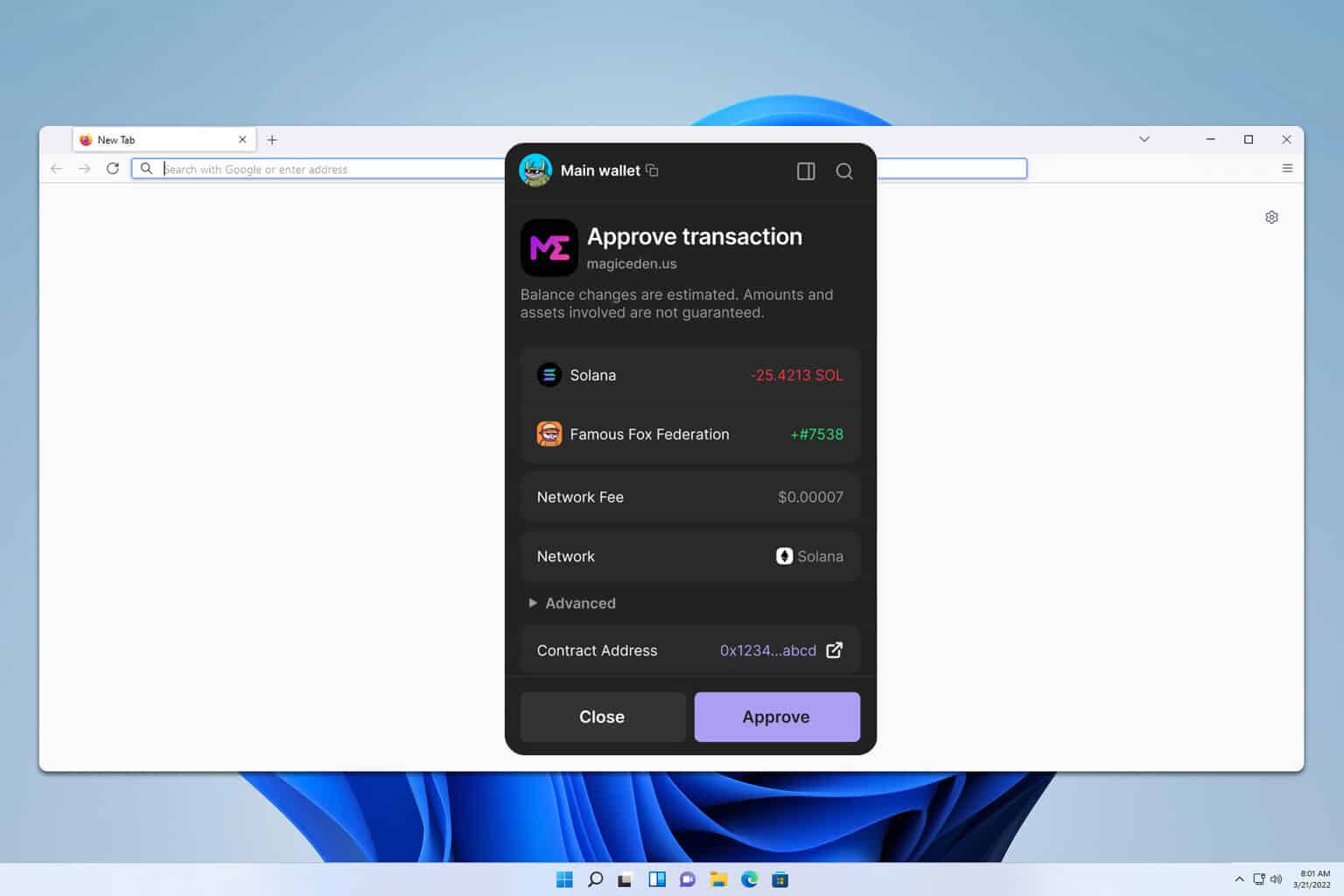
How I actually use Phantom (and a quick download note)
Whoa, new tip: if you see a popup asking for your seed phrase, close the tab. Use the built-in site list to verify connected domains and revoke access when in doubt. My instinct said extensions might be temporary, though actually tooling like Phantom shows the Solana ecosystem maturing toward safer, richer wallet experiences. Okay, so check this out—I recommend grabbing the official phantom wallet download extension from trusted sources and bookmarking it so you don’t accidentally land on imposters.
Really, that’s my take. I also tried the mobile-first flow and the sync between phone and extension works smoothly. On a longer horizon, I think wallets will bake in richer metadata and better phishing detection so users won’t have to guess whether a transaction is an NFT swap or an approval to drain an account, and that will matter for mainstream adoption. I’ll be honest, I’m biased toward simplicity, and Phantom often nails that with minimal friction. So yeah, use hardware keys for big balances, shadow small test accounts for experiments, keep your recovery phrase offline and in a safe place, and treat extensions like tools that need respect rather than toys you install willy-nilly.
Initially I thought everyone would ignore domain labels, but then I noticed how many scammers rely on tiny URL differences. Actually, wait—let me rephrase that… domain labeling and transaction details are the real UX safety belt here. Oh, and by the way, somethin’ I keep doing is naming accounts clearly (main, savings, tests) so I don’t mix funds during fast trades. This is very very important to me when I’m juggling NFTs, staking, and day trades.
FAQ
Is Phantom safe as a browser extension?
Short answer: mostly, if you follow basic hygiene—use hardware keys for big sums, verify domain connections, and never paste your seed phrase into a site. On the other hand, no software is bulletproof, so treat extensions as part of a layered security approach.
Should I use Phantom for everyday dapp activity?
Yes, for speed and convenience it’s excellent; just segment funds (hot vs cold), confirm transactions carefully, and revoke unused site permissions periodically. I’m not 100% sure about every integration (some still confuse me), but overall it’s one of the better experiences in the Solana space.
